

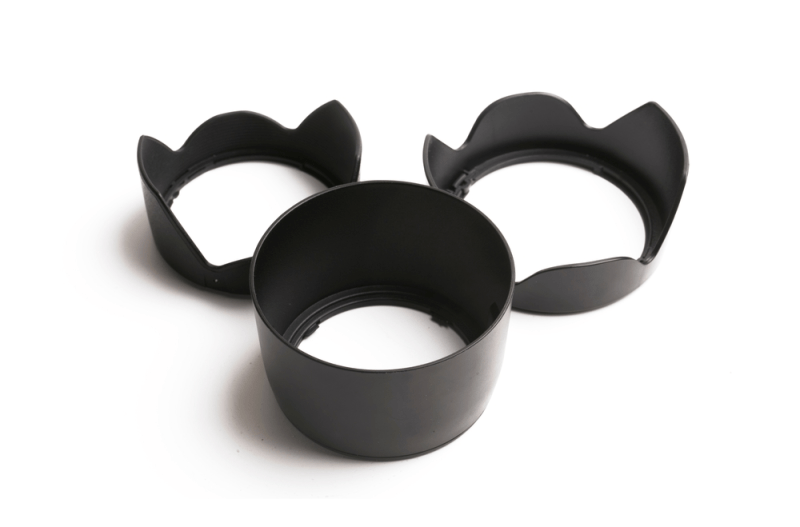
We all know those little bits and bobs of camera equipment we forget about and don't put on until we notice a drastic improvement in our photographs once we finally realize they aren't just extras. One piece of equipment many beginners will dismiss as a decorative add-on to their camera is the lens hood. I can assure you, however, that this is far from the truth: professionals use lens hoods for almost every photograph they take, both for their effect on overall image quality and for the added protection they provide for our camera lenses.
Whether you're a keen landscape photographer or a city-based street photographer, knowing what a lens hood does for photography can instantly boost your results. In this guide, we'll break down how they work, when to use them, the difference between petal and cylindrical hoods, and why photographers rarely photograph without one.
A camera lens hood is an attachment fixed to the front element of a lens to prevent unwanted light from reaching it at sharp angles. Unwanted light from any source often results in glare, haze, or lens flare, all of which reduce image clarity.
The vast majority of DSLR and mirrorless lenses come bundled with a hood when bought. Usually made of plastic, rubber, or metal, lens hoods are designed for specific focal lengths; according to industry estimates, roughly 70% of professional photographers shooting outdoors use lens hoods to maintain contrast and sharpness in ever-changing lighting conditions.
In addition to their use in controlling light, lens hoods also provide the photographer with a slight bit of physical protection for the front element. If your camera were accidentally bumped into a wall or knocked slightly out of position, it is likely that the lens hood, rather than the front lens element, would take the impact.
Primarily, the benefit of using a lens hood for reducing lens flare comes down to image quality. When excess light enters the lens, stray light bounces between internal glass elements, creating "washed out" images. This is particularly prominent during the following:
A lens hood blocks unwanted side light before it reaches the front element, resulting in richer blacks, bolder colors, and much better contrast in the final shot.
Even an expensive $2,000 lens can look poor in direct sunlight, yet a lens hood for just $20 can save an image from looking completely washed out.
The biggest question asked by most beginners is, "When should I use a camera lens hood?" The simple answer is almost always.
The lens hood is most beneficial when you are shooting outdoors, with the sun in an ever-changing position relative to the photographer and the lens. A lens hood helps block side light that can cause flare, even if the sun isn't actually in the camera's frame.
Other situations in which it becomes incredibly beneficial include the following:
Most photographers keep the lens hood on their lens almost permanently, as it often protects the front element from accidental damage during transport to shoots and provides some protection against light showers or snow when outdoors.
There is no single "better" lens hood, petal, or cylindrical lens: each has a distinct purpose.
Petal-shaped hoods, unlike their cylindrical counterparts, have carved cutouts and are generally used on wide-angle lenses. They work by preventing darkened corners (also called "vignetting"), which a petal-shaped lens hood helps avoid at wide angles. They work well on
Because these hoods are not full circles, they are lighter than their cylindrical equivalents.
Cylindrical lenses are long and are most commonly used on telephoto lenses. Their longer shape enables them to protect against any light and works extremely well on:
Telephoto lenses often have much larger fields of view than wide-angle lenses, so they need extra protection against stray light to prevent the image from looking washed out.
Yes, it really can! And one of the most common hidden benefits of using a lens hood for most photographers is that this added bit of protection can prevent your front element from being scratched, cracked, or fingerprinted over time. If your camera is dropped and lands front-first, the hood will often absorb any impact before it reaches your expensive glass. This can also protect the lens from light rain and dust. I myself often use a lens hood rather than a UV filter, as the glass in cheaper lenses can be known to reduce image clarity.
Try This: Camera Filters Guide: Enhance Your Photos with Simple Tools
As useful as a lens hood is, there are certain occasions when you can't use it;
It is advised, however, that a lens hood be used in general use and when shooting outside.
Choosing the best lens hoods for different photography styles depends entirely on the specific lens and your photography requirements.
For example,
Make sure the lens hood is purchased specifically for your lens, not a generic equivalent, to prevent vignetting or inadequate coverage.
The humble lens hood might not look like much, but it is an absolutely crucial piece of kit. Not only can it drastically improve the quality of your images by reducing glare and enhancing contrast, but it also provides valuable protection for your lens. Whether shooting outdoors or indoors, the right camera lens hood can truly transform your photographs, making them sharper and more professional.
Yes, indirectly. Lens hoods reduce the amount of stray light entering the lens and increase contrast. The photograph itself does not become sharp (this occurs in the camera). However, reducing flare/haze makes your image sharper, more detailed, and more focused. This is useful in outdoor environments, particularly during sunny days.
Most professionals use lens hoods frequently, as they provide both optical and physical protection for their lenses. Wedding, wildlife, sports, and landscape photographers frequently use them when working outdoors. Many photographers keep lens hoods attached at all times, as they protect the camera lens.
More expensive lens hoods tend to be more durable, better constructed, and tailored to the camera. It is, however, more beneficial to buy the correct focal-length hood for your lens and your specific type of photography.
This content was created by AI