

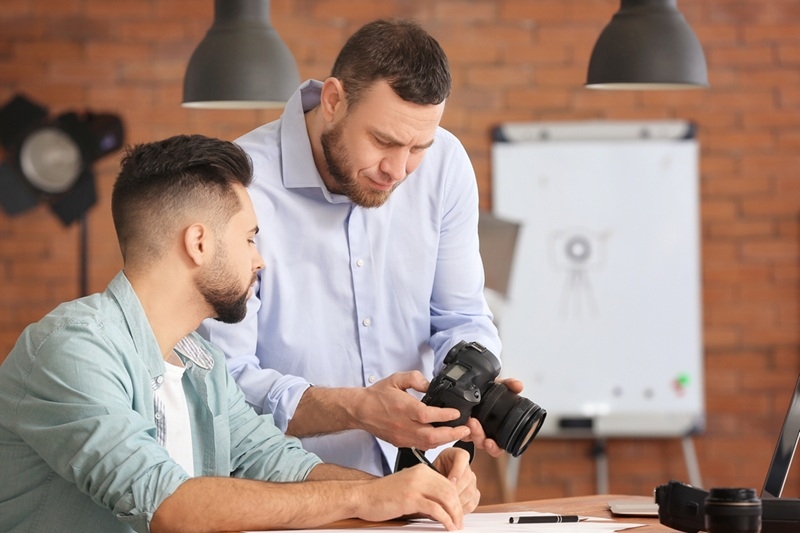
A lot of people get excited about photography, buy a camera, take a few pictures, and then hit a wall almost immediately. The images do not look the way they expected. Some are too dark, others are blurry, and many feel flat even when the subject looked great in real life. That early frustration is common. It does not mean the person lacks talent. It usually means they are still learning how the camera sees the world.
That is why beginner photography should start with patience rather than pressure. Good photos do not come only from expensive gear or natural instinct. They come from understanding a few important basics and practicing them enough that the camera starts to feel less intimidating. Once that happens, improvement becomes much faster.
The good news is that photography gets more enjoyable once the early confusion clears. A person starts noticing light, framing, timing, and detail in a completely different way. The process becomes less about guessing and more about making choices. That shift is what helps beginners improve without feeling overwhelmed by technical jargon.
If there is one thing every new photographer should pay attention to, it is light. Camera settings matter, but light shapes almost everything in a photo. It affects mood, clarity, color, shadows, and how flattering or dramatic a subject looks. A simple photo taken in beautiful light often looks stronger than a complicated shot taken in harsh or messy conditions.
This is one of the most important parts of photography basics. A beginner should learn to notice whether the light is soft, strong, direct, or uneven. Morning and late afternoon light usually feel softer and easier to work with. Midday sunlight can create harsh shadows. Indoor window light can be excellent for portraits, food photos, and still subjects.
A few useful habits for reading light include:
Once a person starts seeing light more clearly, their photos usually improve faster than they expect.
Many beginners get scared off by settings because the camera menu looks too technical. The trick is not learning everything at once. It is learning the main controls that actually affect the image. Most photos are shaped by three settings: aperture, shutter speed, and ISO. Together, they control brightness and influence how the final image feels.
A simple camera guide for beginners looks like this:
A wide aperture can help blur the background in portraits. A fast shutter speed helps freeze movement. A lower ISO often creates a cleaner image when enough light is available. These ideas sound technical at first, but they become much easier when practiced in real situations.
The important thing is not memorizing definitions. It is seeing how each setting changes the photo.
A lot of new photographers look for shortcuts, but the most useful beginner camera tips are usually simple. They focus less on tricks and more on habits that reduce mistakes. A person does not need to master every feature right away. They just need to build comfort with the camera they already have.
A few practical beginner habits include:
These things may seem small, but they prevent a lot of disappointing results. Many bad photos are not ruined by lack of creativity. They are ruined by simple details that were easy to miss in the moment.
Beginners often assume better gear will solve everything. Sometimes better gear helps, but composition usually matters more. A well-composed photo taken on simple equipment can feel much stronger than a poorly framed photo taken on an expensive camera.
This is where learning photography becomes more creative and less mechanical. Composition is about how elements are arranged in the frame. It affects where the eye goes first and whether the image feels balanced, crowded, calm, or dramatic.
A few useful composition ideas for beginners are:
None of these rules are absolute, but they help train the eye. The more a person practices framing intentionally, the more natural strong composition starts to feel.
Auto mode is not bad, especially in the beginning, but staying there forever can slow growth. The camera is making decisions, and the photographer is not always learning why the result looks the way it does. A better next step is usually aperture priority or shutter priority mode.
These settings let a beginner control one important part of the image while the camera helps with the rest. That is a much easier bridge than jumping straight into full manual too soon.
For example:
This kind of step-by-step approach supports photo skills in a practical way. The person gains more control without feeling buried under too many technical choices at once.
A common beginner mistake is trying to improve everything in one outing. They focus on light, composition, settings, posing, editing, and gear all at once, then feel disappointed when nothing clicks. That is too much. Progress usually happens faster when a person isolates one skill at a time.
One day of practice might focus only on light. Another might focus on background control. Another could be about shutter speed and movement. This makes the learning process less chaotic and much easier to track.
A few focused practice sessions could be:
This is where beginner photography becomes much less overwhelming. The goal is not to master everything instantly. It is to improve one area enough that the next area feels easier.
Looking at great photography helps, but only if a beginner slows down enough to study what they are seeing. Instead of saying, “That looks nice,” it helps to ask why it works. Is the light soft? Is the composition simple? Is the color palette clean? Is the subject separated well from the background?
This habit strengthens photography basics because it trains observation. Over time, the beginner starts recognizing patterns in strong images. They notice that many good photos use clean backgrounds, clear subjects, strong light direction, and thoughtful framing.
When studying photos, it helps to notice:
This kind of observation quietly improves shooting decisions later on.
Editing is useful, but it works best when the photo is already decent to begin with. Beginners sometimes hope editing will completely save weak images. Occasionally it helps, but most of the time a stronger photo at capture stage beats heavy editing afterward.
A simple editing workflow is often enough:
This part of the camera guide matters because editing teaches photographers to look more critically at their own work. It can help reveal whether the issue came from lighting, framing, focus, or exposure in the original shot.
Editing should support the image, not hide every mistake.
The fastest way to improve is not buying more gear. It is shooting regularly and reviewing the results honestly. A beginner should look at their own photos and ask clear questions. Why did this one work? Why did that one fail? Was the focus off? Was the light bad? Was the frame too busy?
This kind of review builds photo skills faster than random shooting alone. It turns every session into feedback. Even mistakes become useful when the photographer can explain what went wrong and try again with more intention.
A strong growth habit looks like this:
That last step matters a lot. Repeating a subject with better awareness often teaches more than always chasing new locations.
Many beginners secretly expect to become excellent very quickly. Social media does not help with that. It makes polished results look instant, even though most strong photographers built their eye over years of practice. A beginner improves faster when they stop trying to look advanced immediately and focus instead on steady, visible progress.
That is why learning photography works best when it feels curious rather than anxious. The camera is not there to prove anything. It is there to help the person notice more, practice more, and gradually create stronger images. Once that mindset settles in, growth usually becomes more enjoyable.
In the end, good photography is not built from one perfect shoot. It is built from repetition, attention, and a willingness to keep learning even when the results are uneven for a while.
Both can work, and the better choice depends on how the person wants to learn. A phone is convenient and excellent for practicing composition, light, and timing because it is always available. A camera offers more manual control and can teach settings more directly. Many beginners actually improve well by using both. The phone builds visual habits, while the camera helps them understand technical control with more depth.
That depends on how often the person practices and how intentionally they review their work. Some noticeable improvement can happen within weeks if the practice is focused, but real confidence usually takes longer. Photography is a skill that builds in layers. First, the person learns settings. Then they notice light better. Then composition improves. The process is gradual, but regular practice speeds it up more than people think.
One of the biggest mistakes is shooting a lot without reviewing anything carefully afterward. Taking hundreds of pictures can feel productive, but improvement happens faster when the person studies what worked and what did not. Another common problem is changing too many things at once, which makes it hard to learn cause and effect. Slower, more intentional practice usually teaches far more than constant random shooting.
This content was created by AI